The Brooklyn-based sculptor on how architecture, light, and everyday materials inform her work.
In an age when few dread eternal damnation and the torments of hell no longer function as a deterrent to bad behavior, a stunning exhibition at the Asia Society Museum expands our knowledge of this infernal nether region.
Museums are showing art from across the centuries that tackles core questions, through religious and secular lenses, about what happens when we die.
In an age when few dread eternal damnation and the torments of hell no longer function as a deterrent to bad behavior, a stunning exhibition at the Asia Society Museum expands our knowledge of this infernal nether region.
Ranging from the eighth century to the 21st, a show at Asia Society Museum displays Eastern artâs dazzling depictions of the infernal regions.
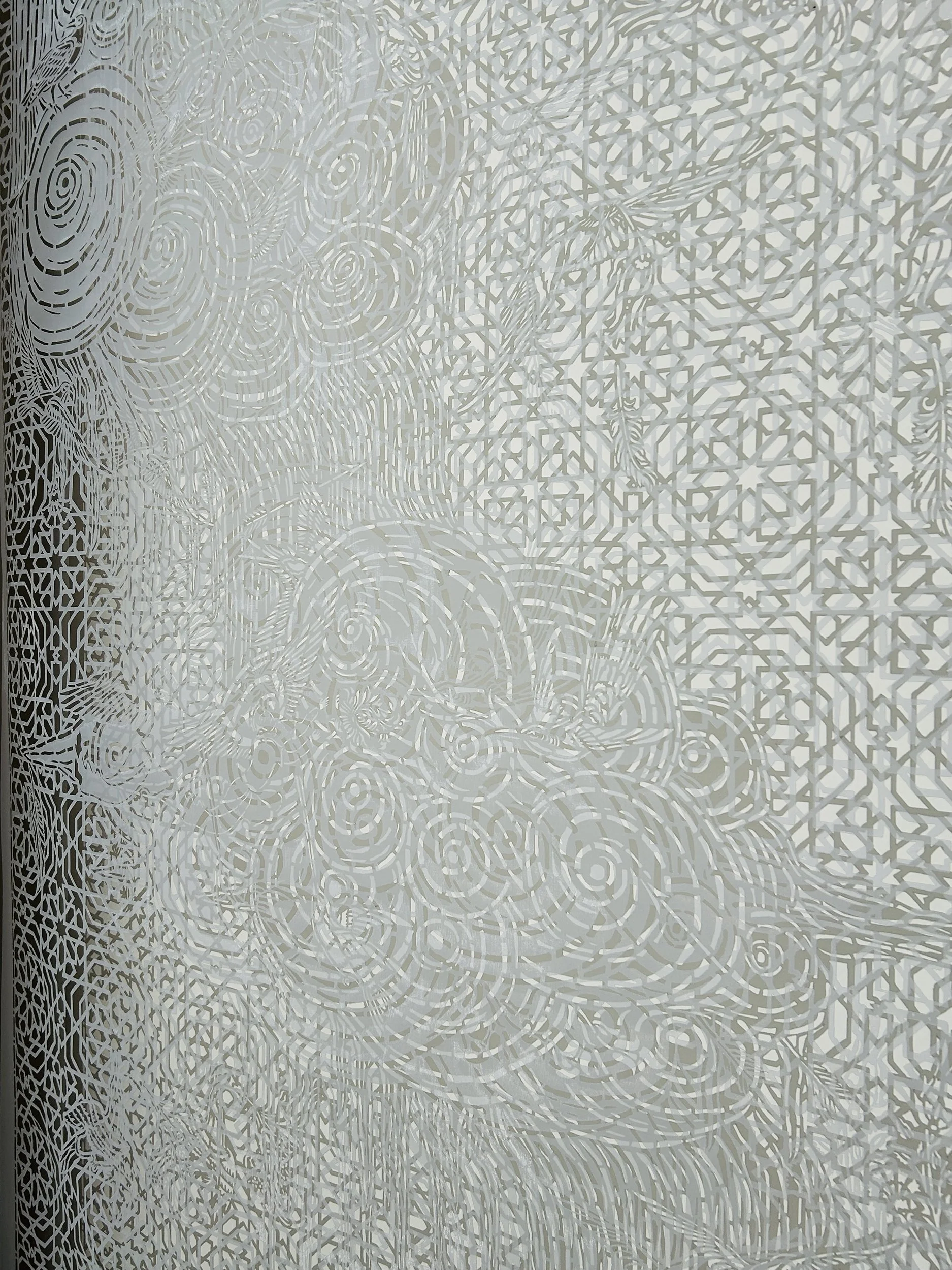
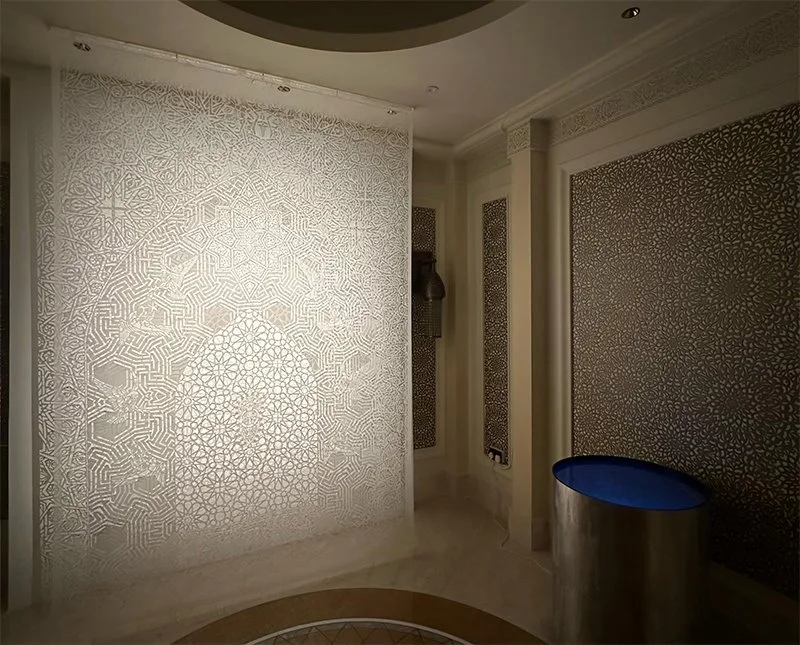
One of the most instantly captivating pieces, Afruz Amighiâs installation âAngels in Combat Iâ (2010), beautifully exemplifies what seems to be a central thread tying many of the artists together: the appropriation of traditional Iranian decorative strategies to convey political metaphors.
Afruz Amighi is a sculptor and installation artist whose installations use a subtle play of light and shadow.
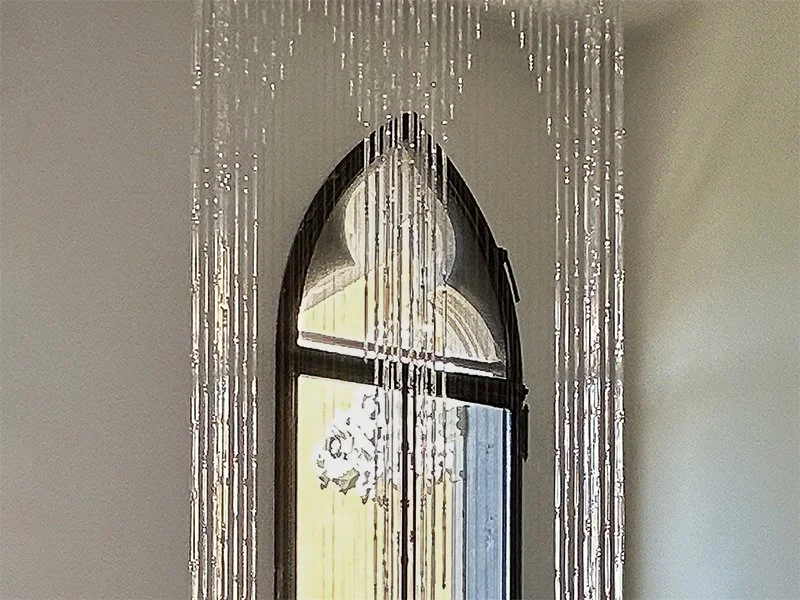
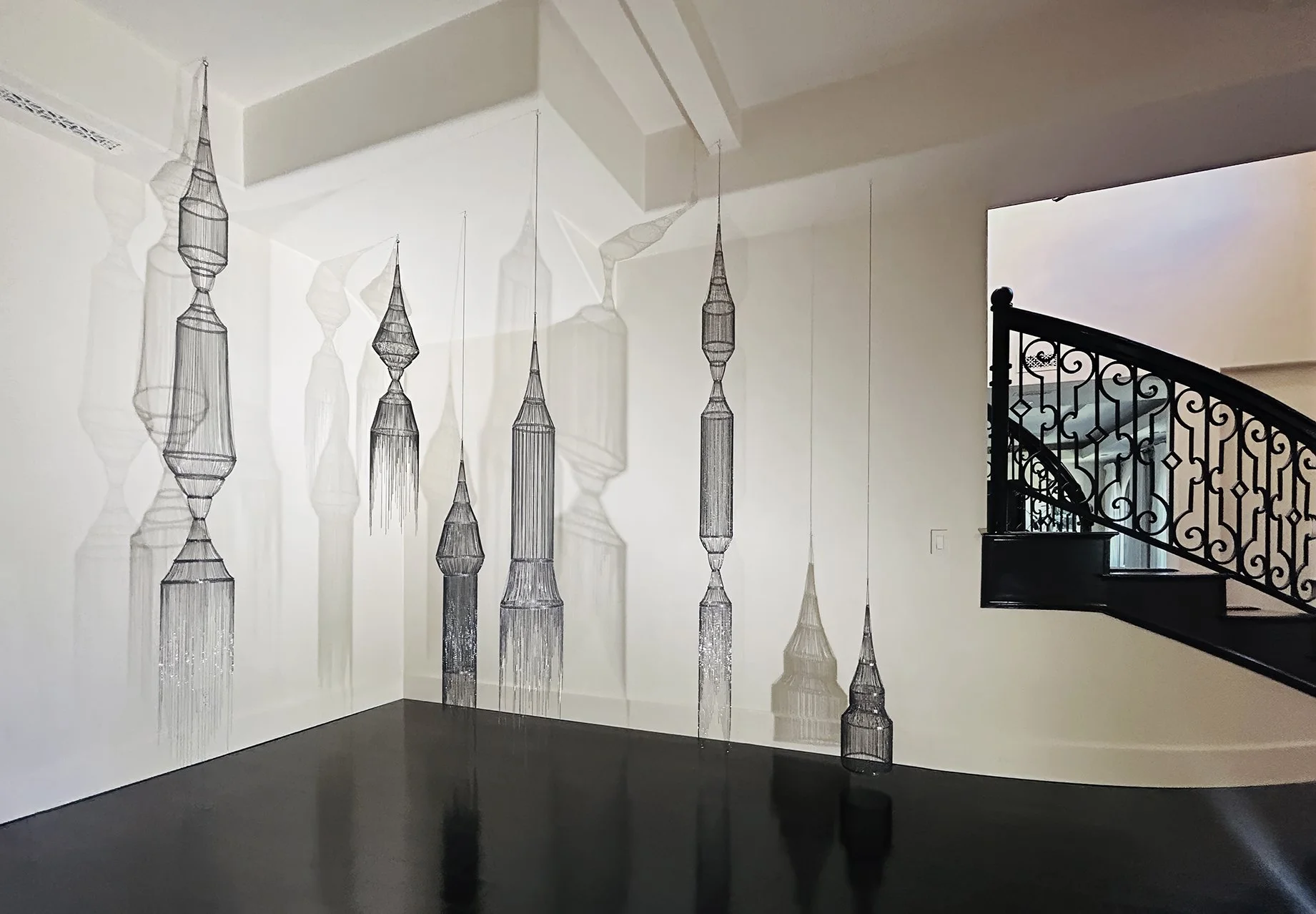
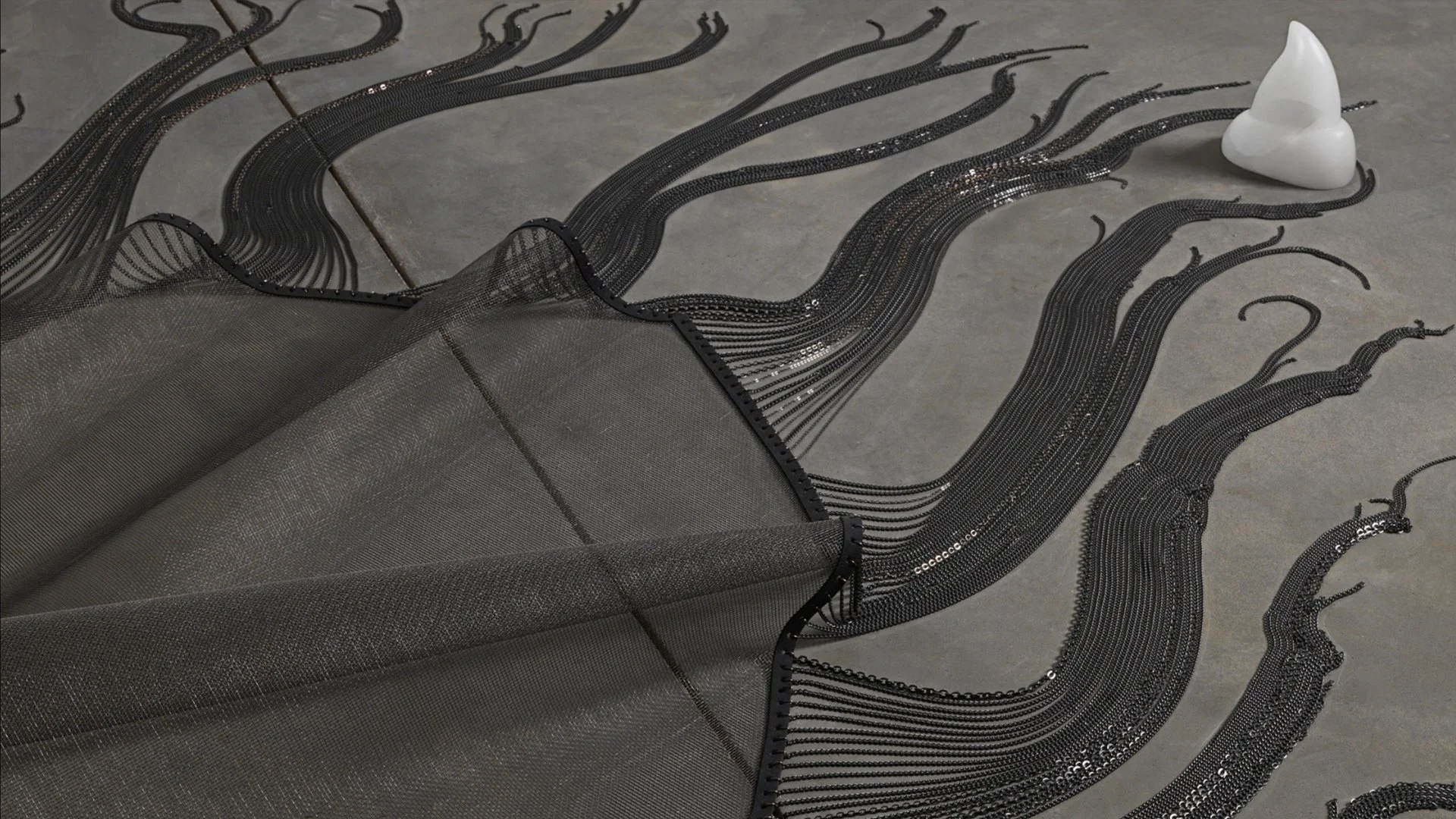
A few weeks ago, I visited the Brooklyn studio of Iranian-born artist, Afruz Amighi. She works with a type of construction site netting which, in her hands, becomes a kind of diaphanous chainmail casting shadows of ancient Persian warriors, or illuminated carpet patterns that tell a modern story.
Afruz Amighiâs âshadowpiecesâ are dichotomous structures, aphotic and heavy while ethereal and effused with a gentle light.
Afruz Amighiâs visual vocabulary lies somewhere between light and shadow, between the real and the ethereal.
Afruz Amighiâs âshadowpiecesâ are dichotomous structures, aphotic and heavy while ethereal and effused with a gentle light.
The Iranian-American artist was the first recipient of the Jameel Prize for Middle Eastern Contemporary Art, back in 2009. For her first solo exhibition in the UK, she creates sculptures and drawings on mylar alluding to female archetypes, with names like The Nun and Knife Girl.
Iranian-American Afruz Amighiâs evocative wall-sculpture combinations of female archetypes and symbolic objects, yielding âup-shadowsâ to distinctive and somewhat uncanny effect.
Afruz Amighiâs delicate works dance on the walls of Sophia Contemporary for her first solo show in London.
The exhibition, âEchoâs Chamber,â which remains on view through January 19, 2018, features nine new wall-mounted works that serve as metal effigies of archetypal women in profile along with select drawings.
Afruz Amighi is an Iranian sculptor and installation artist based in Brooklyn, New York. Amighiâs celebrated sculptural wall pieces composed of industrial materials are influenced by the art and architecture of her home country.